Showing posts with label edible gardening. Show all posts

Friday, August 30, 2013

Prepping and Planting the Fall Garden.


A few days ago, some of my friends and I were chatting about gardens. (Shocking, I know.) Specifically, I mentioned that I need to clean up the summer garden and prepare it for fall crops.
It's a painful process for me.

I hate tearing out any plant that's still producing, even if emotionally I'm so, so ready to get rid of the uglies and plant perky, happy seedlings. As vile as the vines look, I'm not ready to give up fresh tomatoes. I've pulled a lot of vines, but there are still a few that I'm pampering, hoping to enjoy bruschetta through the fall.
 

So, instead of ripping out all of the summer plants in August, I prepare for the fall garden by starting seedlings in the greenhouse. Yes, it's probably less time consuming to direct sow lettuce, but by planting seeds in biodegradable pots, I'm extending the summer garden as long as possible while getting a head start on growing produce.

If you're starting seedlings for your garden, you might want to refer to this chart that I put together last fall. It's my cheat sheet that shows when you should plant seeds for your fall garden, depending on your first expected frost date (which you can find here.) It also gives you hints about depth for planting, how long until germination, and when you can expect to harvest your crops. Some seeds, like radishes and carrots, really do need to be direct sowed, though. Still, that's OK—radishes grow quickly and are typically ready to harvest in 28 days. Carrots can remain in the garden throughout most of the winter (mulched with straw in cold climates), harvesting as you need them. In fact, the cooler soil can make the carrots taste sweeter.

Before any plants enter the fall garden, all of the summer debris needs to be cleared—particularly any diseased plant material. A fresh layer of compost will be added to the beds and mixed in well, and I'll do a soil test to check pH and determine any nutrients that are missing for the fall crops.


But the best part of planning the fall garden? Why, selecting what you're going to grow, of course! My friends asked what I planned to grow this fall, but at the time I hadn't selected the varieties. Now, though, the seeds have arrived and are anxiously awaiting their new home! Everything I've ordered is heirloom and organic, and some of the varieties are just ridiculously beautiful. Here's what's going in the fall garden:


Heirloom lettuce
Forellenschluss (My favorite—I love its beautiful speckling, plus it's crispy and delicious.)
Grandpa Admire's (Another favorite that's on Slow Food USA's Ark of Taste.)
Merveille des Quatre Saisons (I just love saying the name in my high school French accent.)
Big Boston
Flame
May Queen
Petite Rouge
Red Romaine
Rouge d'Hiver
Rubin
Chadwick's Rodan

Spinach
Merlo Nero
Bloomsdale Long Standing
Red Malabar (which isn't spinach, really...but it's a beautiful vining green with red stems, so I'm excited to add it to the garden.)

Chinese Greens
Ching Chang Bok Choy
Chinese Pak Choy
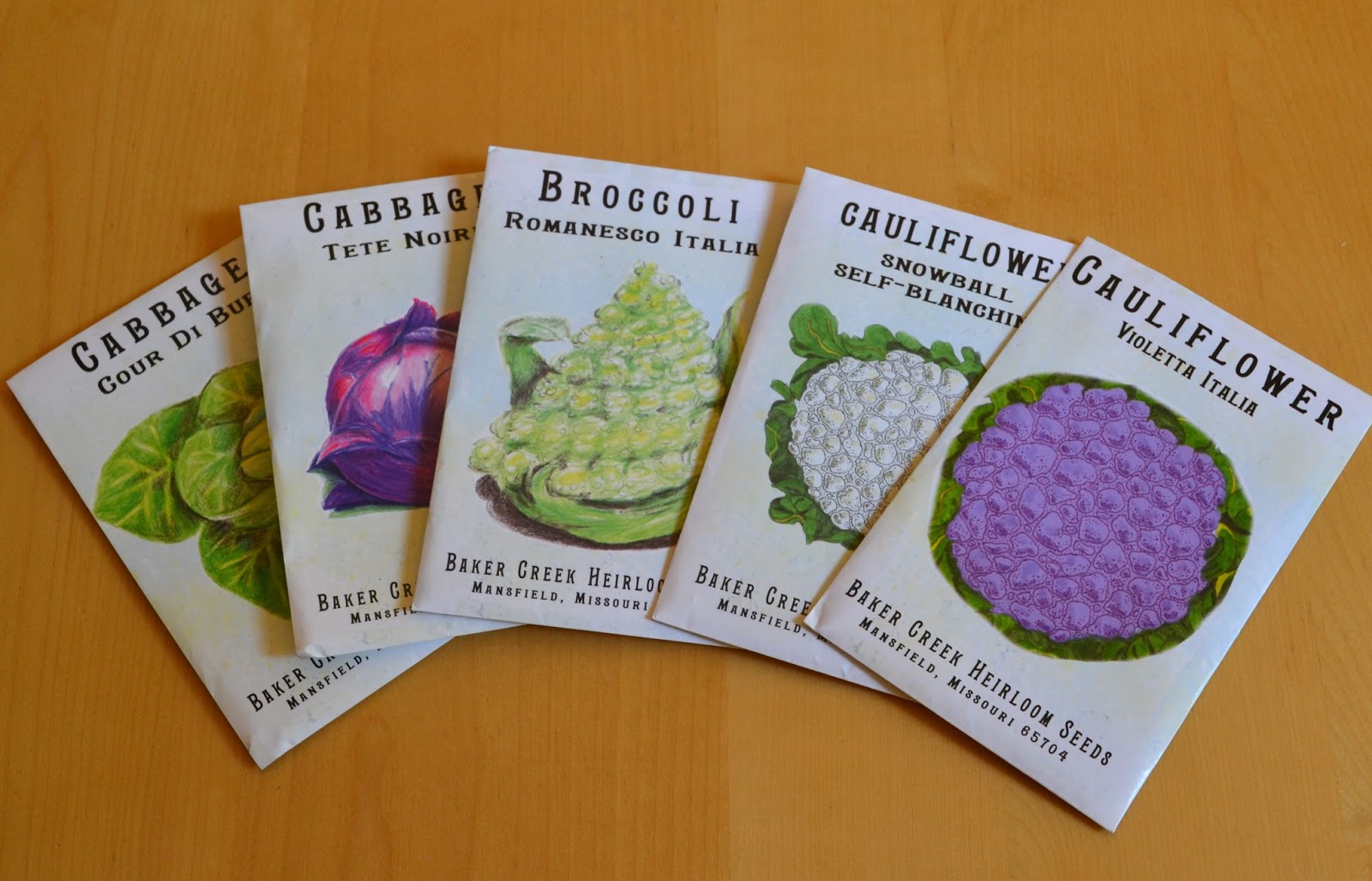

Broccoli
Romanesco Italia

Cauliflower
Violetta Italia
Snowball Self-Blanching

Cabbage
Cour di Bue
Tete Noire

Swiss Chard
Five Color Silverbeet

Kale
Lacinato
Red Russian
Chinese White Flowered


Peas
Blue Podded Blauwschokkers
Golden Sweet Snow
Sugar Ann Snap

Radishes
Early Scarlet Globe
French Breakfast
Purple Plum
Pink Beauty

Beets (I'm embarrassed to say—I've never grown beets. Can't wait to try these!)
Chioggia
Gourmet Blend

Leeks
Bleu de Solaise
Scotland

Carrots
Parisienne
St. Valery
Amarillo
Cosmic Purple

I'll also grow some Brussels sprouts for Peter, but I'll most likely buy transplants for those. For whatever reason, I have a tough time getting them started from seed, and I have a source locally where I can get organic Brussels sprouts plants.

Oddly absent from our southern garden—collards. I know, I know—how can I be a southern gardener without collards? For whatever reason, we just don't eat collards. Maybe it's my Yankee upbringing coming out. Can anyone give me a good endorsement for collards and why I should try them?

I haven't ordered my garlic and shallots yet—and I need to do that soon. Many varieties of garlic sell out early, so that's definitely on my to-do list. Usually, I dedicate one raised bed to garlic and plant about five varieties. We use a lot of garlic!

Besides planting the beds in the large kitchen garden, I'm starting seedlings for the potager, as well as for some containers. I'm also planning to incorporate some fall edibles into the front gardens. Personally, I've never liked ornamental cabbages, but I find edible combinations, like kale and violas, or the rainbow colors of Swiss chard alone, really beautiful. We'll see how it turns out! I'll keep you posted.

I also need to check my mini hoops from last year to make certain the plastic isn't torn. In our zone 7b garden, these little low tunnels (which cost a whopping $10 for materials) provide enough protection from the cold to keep most of our crops producing throughout the winter. I also cover the potager with plastic when we have a freeze warning, but I already know I need to replace that plastic cover. The fencing gouged big holes in the plastic due to the weight of rain on the cover. (Note to self: remove the plastic before a rain!)
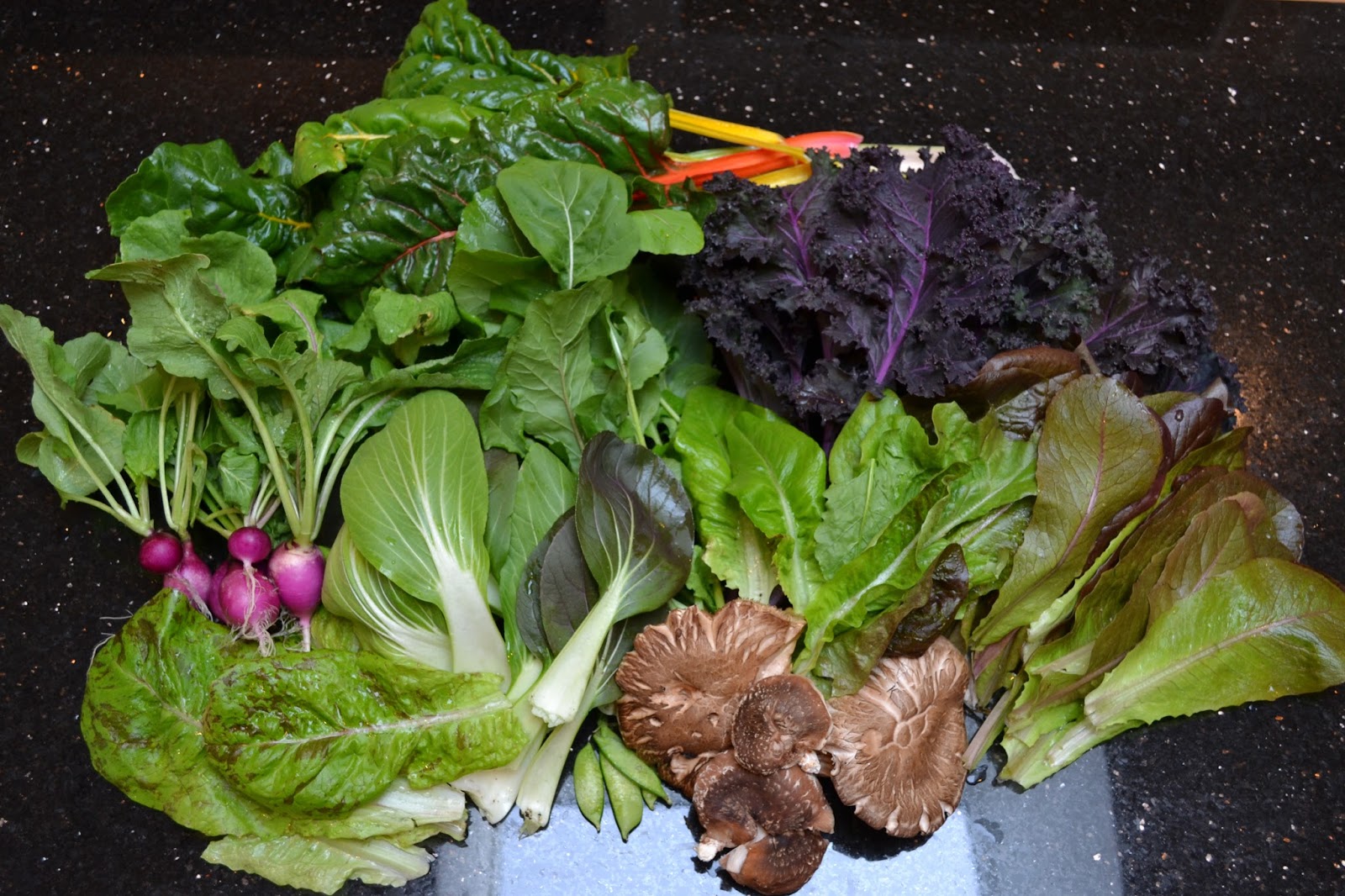

With a little preplanning and preparation, we'll be enjoying lovely harvests from the garden all winter. 

Have you planned your fall garden? What are you most looking forward to growing in the cool weather?

Hope you enjoy a wonderful holiday weekend!

XOXO ~

Julie

Tuesday, July 16, 2013

Finding the Blooms in July.

Today is Garden Bloggers' Bloom Day, hosted by May Dreams Gardens. Usually, my biggest problem for July's Bloom Day is the overbearing South Carolina drought. 

Not this year.

This year, my challenge is to find blooms in the garden that haven't melted away due to the enormous amounts of rain Upstate SC is experiencing. Did you hear the sad new about the South Carolina Botanical Garden? They recently installed the Natural Heritage Garden, an exhibit that included many rare and endangered plants, and the torrential rains caused horrific damage to the garden.  If you'd like to donate to help rebuild the garden, you can find information here.

Crazy, crazy weather.

Still, even with our daily deluge of rain, I found a few blooms to share with you.


Casa Blanca lilies...my favorite. I fear a vole snacked on many of the bulbs, because these are the only few that I've seen this year.


The large kitchen garden is a tumble of overgrowth and unripe tomatoes. Honestly, the foliage is lush and green, particularly in the herb garden at the front of the raised beds.


The flowering herbs are major pollinator havens.
 

But although the garden is green and bursting with vines, everything is late. I've yet to find one cucumber. Last July, we were already searching for recipes to use up our insane harvest of cucumbers.


Tonight, we ate the first beans harvested from our Three Sisters Garden. The corn definitely likes the rain, but the squash vines below melted. I planted more squash seeds, hoping for a fall harvest.


I can only hope that the veggie garden experiences a quick burst of productivity in the bit of sun that reached it today. Bruschetta is calling my name...but I need my heirloom tomatoes to ripen! 


Everyone is confused. Typically, by July the gardenias are sleeping. Not this year--they continue to infuse the air with their delicious scent. 


In the newly planted pollinator garden, the monarda is a good example of too much rain. Don't you just want to hand it a towel? Poor thing.


The lemon balm, while usually just a bit of a nuisance, truly became a bully this summer due to all of the rain. Fortunately, its tiny blooms attract lovely little pollinators, so I'm giving it a warning. If it continues its ill behavior, there WILL be consequences.


The tall verbena is bent over, beaten by the rain. I'm too embarrassed to show you the full photo, because it proves that I'm a softie for trying anything to keep a few blooms in the garden, even when they need to be yanked out by the roots. I keep crossing my fingers that I'll walk out tomorrow morning, and it will be standing at attention, nice and straight.

I know. I'm pitiful.


'Rozanne' seems to have withstood the worst of the rain. 


But even the poor stargazers are too saturated to last long in bloom. 

Sigh. 


The blooms of the phlox also succumbed to the rain. Surprisingly, though, I haven't battled powdery mildew on the plant like I normally do.
 

Also, I'm typically battling black spot by now on the roses--but so far, not this year.


The buddleia seems to enjoy the gallons of water each day, thankfully. Our bees and butterflies congregated on the three bushes today, making me think I should keep the Epi-Pen a little closer while I took photos.

Fortunately, the bees were too busy with the flowers to bother with me. 


The beautiful daylilies I recently purchased revolted against their soggy new home. They're growing well, but they refuse to show their pretty faces. Yeesh, what prima donnas. These few daylilies planted last year were kind enough to add a bit of color to the perennial bed.


However, my trusty friends, the Japanese anemones, are preparing for an early show. They're full of buds, just about to burst any day. 
 

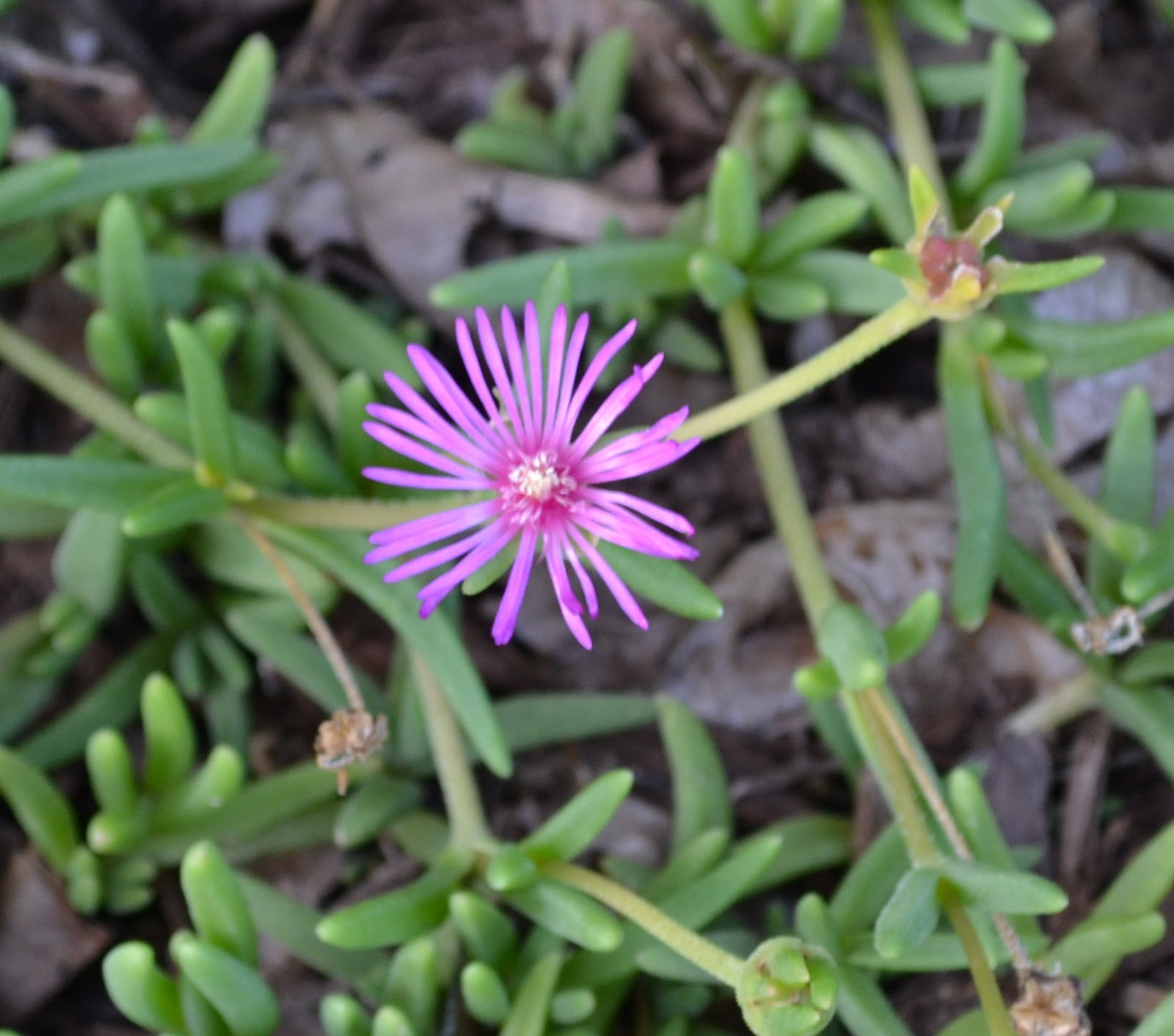
The little ice plant isn't loving all of the water, but it's a trooper and continues to produce a few cheerful blooms...
 

...and the gaura also tries to hang in there for me, withstanding the moisture and the attack of Japanese beetles. 


Have I ever mentioned how much I despise Japanese beetles?


Fortunately, the nasty beetles haven't damaged the lantanas throughout the garden. However, only the lantana in the mailbox garden is blooming. The others need Mr. Sun to shine down on them to encourage some color. Soon.


Now, we all know hydrangeas should enjoy water...right? For about a week, the hydrangeas looked magnificent. The Brides Blushed beautifully, the Twist & Shout partied hard in the garden, cute little Pee Gee beamed with blooms in the shade, and the oakleaf bushes drooped dramatic cones.

And then, the lovely flowers turned mushy.  

So. Depressing.


Thank goodness for the garden cheerleaders! Bright little Black-Eyed Susan vines add a touch of cheer in hanging baskets...


...while perky purple coneflowers refuse to melt under duress. 
 

I admit, I often curse rudbeckia. It's such a bully in the front perennial bed. The more I thin it, the more prevalent it becomes.

However, I'm rethinking my aversion to it. It's been a trooper during the summer storms, and I have to give it credit for the bright, lovely patch of cheer it's added to the entryway. 


Both Rose of Sharon bushes just began blooming--and they're heavy with buds. Thank goodness. I need some color in the back sitting area.


Mandevilla is so reliable. Honestly, I love this vine by the pool. Even the rain can't dampen its spirits.


The poor hardy hibiscus, though...it experienced a tough spring. First, the leaves served as a snack for every caterpillar and Japanese beetle in the garden until the leaves resemble lace. Then, the rain makes the blooms rather...sad. Normally, they're so perky and cheerful, but right now they just look so tired from the effort of opening.

  
My very happy surprise, however, is a new addition to the back garden by the pool: blackberry lily. A gift from my friend Janet's garden (aka The Queen of Seaford), these adorable little lilies produced blooms one week after transplanting them--and they just keep on going without complaint. I think they may be my new favorite plant! 

How's the weather in your garden? Wishing you rain (but not too much), pleasant days, and happy blooms!

XOXO ~

Julie